Recycling Sealed Units
What are Sealed Units?
Sealed units are compressors and gas chambers mainly found in refrigerators, freezers and air conditioners. They pressurize the gas which creates a powerful condensation. After a shelf life of a few days, they become inefficient and turn out to be large scale waste. Hence, manufacturers often take these scrap sealed units to scrapyards for recycling.
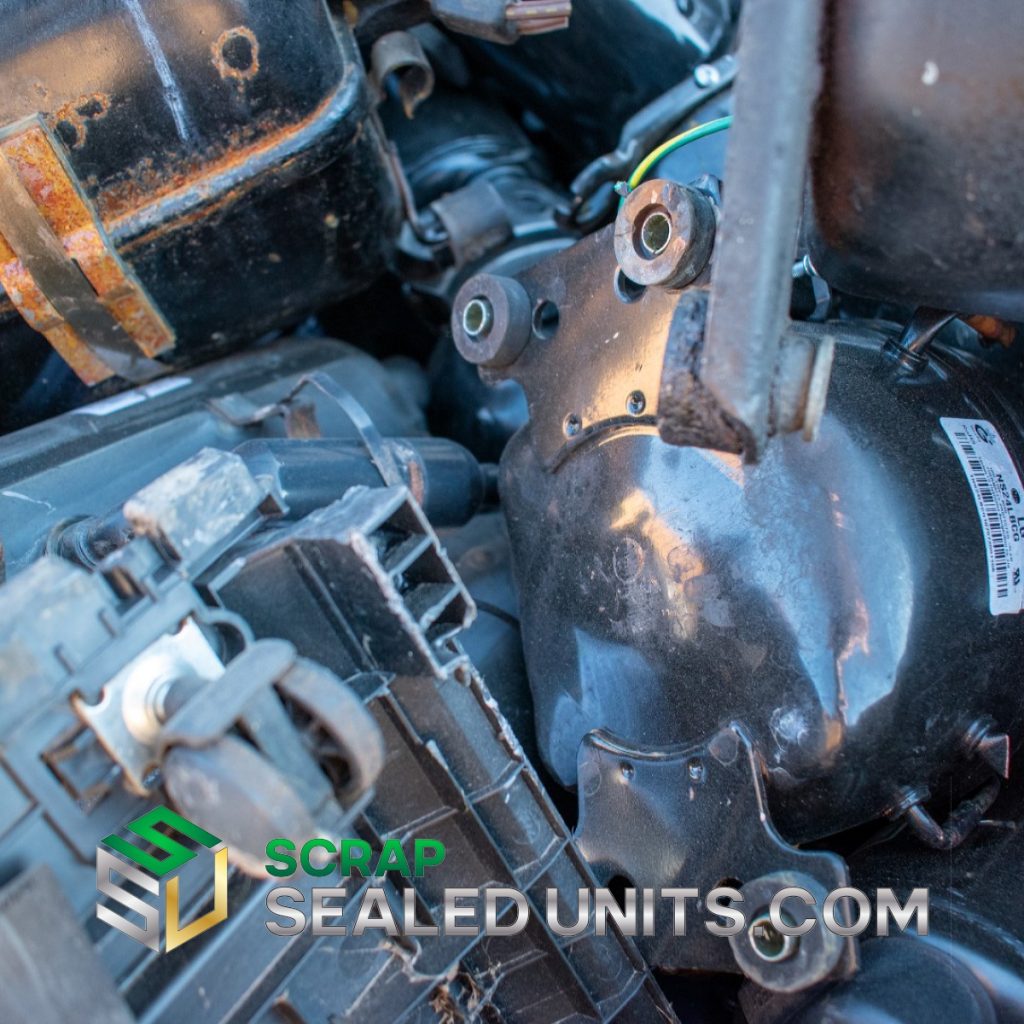
Because of their size, sealed units scrap takes up an abundance of space in scrapyards. However, when properly managed, these units can avoid taking up space in landfills, oil leaks and having a negative impact on the environment. Recyclers purchase scrap sealed units and break them down to their individual components. Then, they recycle and reuse the materials for new units.
In order to achieve a positive environmental impact by recycling sealed units, one must be familiar with the recycling process.
How to Recycle Sealed Units
The process of recycling sealed units is relatively simple. However, it requires meticulousness and dexterity. This is where professional recyclers come in.
- These recyclers buy sealed units scrap from scrap yards and bring them to the recycling plant.
- Then, the recycling company safely displaces or filters out any gas remaining in the units.
- Next, the recyclers strip the scrap sealed units to their individual components (i.e. motors, copper wiring, screws, rings, bearings, etc.)
- After separating the components, recyclers take the valuable parts like rings and bearings to the assembling factory if they are still in good shape. If not, recyclers prepare the components for recycling.
- Furthermore, the recyclers separate the metallic parts of the units according to their different types (i.e. copper, steel, etc.)
- Subsequently, the recyclers melt the metals in high-temperature furnaces and cast the molten metals into new units.
- After cooling, the recyclers test the refurbished units for leaks and noise to assure consumer quality and reduce pollution.
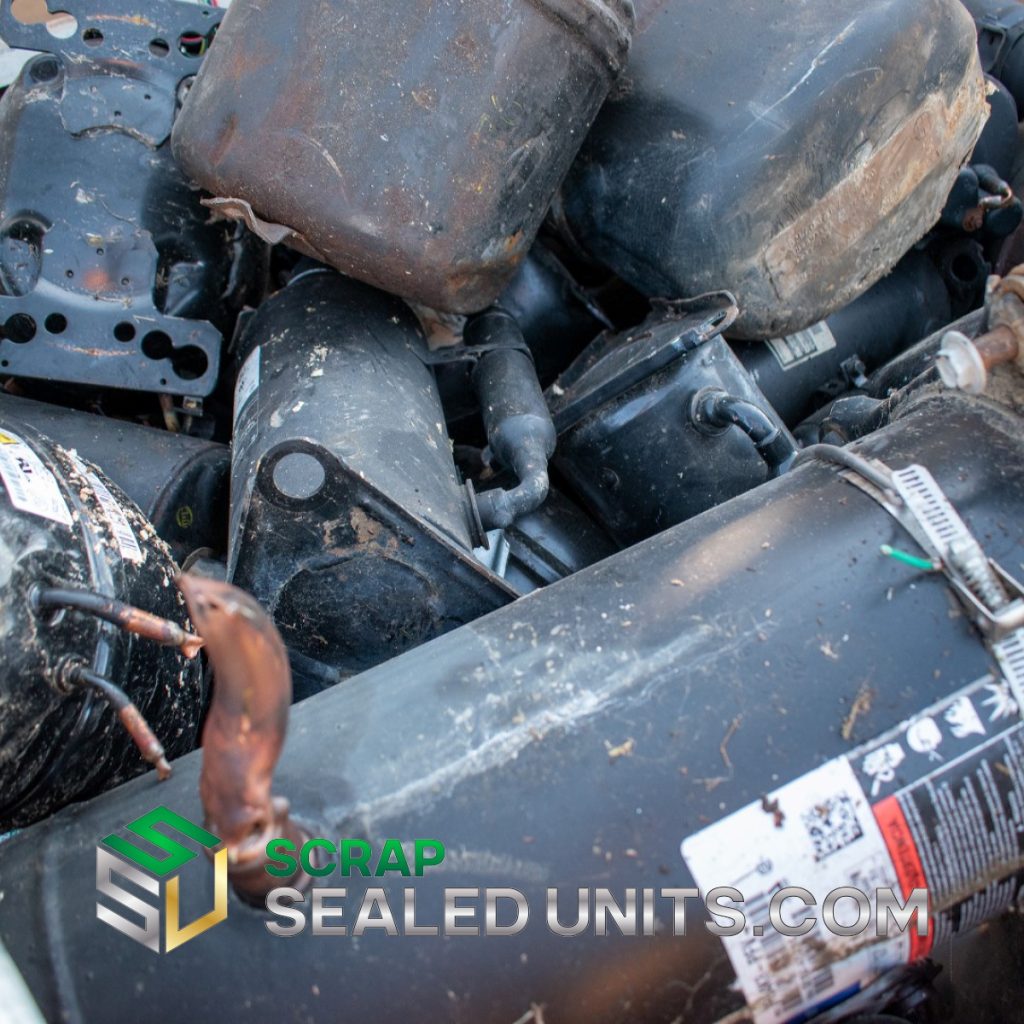
Now that we understand how to recycle sealed units, it is imperative to comprehend why this process is essential to the environment.
The Importance of Recycling Scrap Sealed Units
Recycling sealed units scrap…
- Prevents landfill contamination
- Prevents gas leaks
- Reduces pollution
- Protects natural resources
- Reuses valuable materials
By reusing scrap sealed units, less space is occupied in landfills which prevents solid waste and contamination. Additionally, these sealed units sometimes have punctures in them which allows the remaining gases to leak into the environment. These gasses could be toxic (i.e. ammonia) and lead to pollution.
Also, recyclers who properly dispose of these gasses in a safe way not only protect natural resources, but also save the environment by reducing pollution and saving valuable resources. This is urban mining.
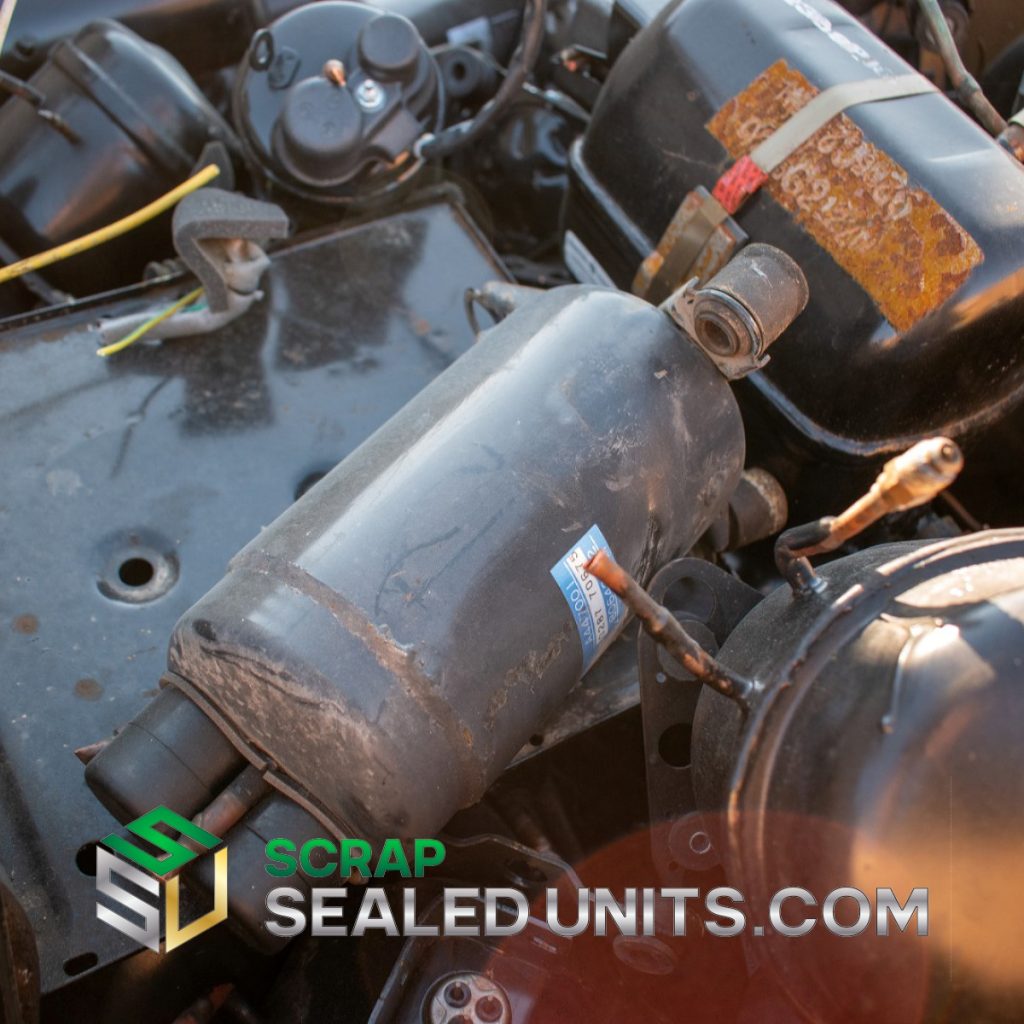
Finally, sealed units scrap is metallic with motors and copper windings constituting the core. While scrap dealers classify inner motors as low-grade scrap, the copper wire represents some of the most valuable industrial metal scrap. Recyclers can reuse this material to make several new units and other items.
Conclusion
Overall, sealed units are one of the most common sectors of recycling. Continuing to recycle sealed units will prevent landfill contamination, prevent gas leaks, reduce pollution, protect natural resources and reuse valuable materials.
If you are interested in protecting the environment and making a profit from your scrap units by doing so, click here to contact us.